by Khyree Lucas
I believe that one of the greatest opportunities for South Carolina to grow and improve is found in listening to its young people. As a teenager, I see how my generation is already shaping the future not only for us but for the communities we live in. Too often, decisions about our lives are made without including our voices. Improving South Carolina requires more than fixing roads, funding schools, or attracting businesses. It means creating a state where every generation, especially the youth, has a seat at the table.
I have had the honor of being recognized at the South Carolina State House multiple times, and each time I am amazed by the power of the moment. I remember going through the metal detectors, touring the building, and feeling the history in every hallway. I have seen new bills introduced that could one day become law. I will never forget standing in front of a judge during a State House meeting as I was recognized for my accomplishments in school. I felt nervous, proud, and motivated all at once. That moment reminded me that the future is not far away. It is already here, and young voices like mine truly can move mountains, whether they are as big as Mount Everest or as small as a hill.
My involvement in leadership and mentorship has also shaped my perspective. I have been a member of 100 Black Men for four years, and that experience has shown me the power of mentorship, guidance, and exposure. Being part of this organization as a Black teen growing up in South Carolina taught me that when you invest in young men, the returns go far beyond what you put in. I have seen firsthand how mentorship builds confidence, sharpens goals, and creates opportunities we might never have discovered on our own. If organizations like 100 Black Men can have such a powerful impact on one person, imagine the difference it could make if South Carolina created similar statewide opportunities for every young person.
When I say that youth voices matter, I do not mean it in a small way. I mean that our perspective can directly shape better solutions. Teenagers live in the center of challenges that adults often overlook. I see the struggles of balancing school, technology, mental health, social pressure, and planning for a future that feels uncertain. Adults often assume we are glued to our phones, but we are thinking about our future. Adults may debate school policies or phone use on campus, but we are the ones experiencing the effects every day. They may discuss the cost of college, but we are the ones preparing for the reality of debt. Including young people in these conversations adds fresh ideas and ensures that policies are grounded in real-life experiences.
Youth input is also important because it can help bridge the generational divide. Sometimes adults assume teens are uninterested or unmotivated, while teens assume adults are out of touch. These beliefs create barriers that prevent us from moving forward together. I understand these feelings because I sometimes feel that my own parents do not fully understand the new generation. If South Carolina offered more opportunities for direct discussion between teens and leaders, we could break those stereotypes. Youth advisory councils, for example, could allow teenagers to share what is happening in schools directly with policymakers. Community forums could give families a chance to discuss issues together instead of separately. When generations talk to each other rather than about each other, solutions become stronger and more inclusive. I believe many adults would be surprised by how much young people pay attention to what is happening around us.
One of the most powerful ways to connect youth to leadership is through exposure and mentorship. As a teen who has stepped inside the State House, I know how inspiring it is to see leaders, lawmakers, and professionals up close. These opportunities open your eyes to possibilities you never imagined. They broaden your horizons and encourage you to dream bigger. Not every teen gets to experience that, and many grow up believing leadership is out of reach. South Carolina could improve by creating structured programs that allow youth to shadow elected officials, intern in government offices, or serve on local boards. Meeting mentors in prominent roles shows young people what is possible and motivates them to pursue greater goals.
Adults can also learn from the honesty and creativity of young people. We do not always filter our ideas through the mindset of “this is how it has always been done.” We ask questions like, “Why not try something different?” That kind of thinking, combined with the wisdom of older generations, can lead to innovation. South Carolina has the potential to be a model for how states bring generations together to solve problems. That teamwork is where real progress begins.
It is important to understand that involving youth in leadership does more than benefit young people. It strengthens the entire state. By listening to teens, South Carolina can bridge gaps across age groups and inspire the next generation of leaders. Young people today are the voters, workers, parents, and leaders of tomorrow. Investing in us now means building a more informed, responsible, and motivated citizen base for the future. That is how true progress is made.
South Carolina has many areas where it can improve, but one of the most overlooked ways is by giving youth a louder voice. From my experiences at the State House and through mentorship with 100 Black Men, I know that teenagers have valuable ideas and the energy to contribute. We are not just the future. We are part of the present. If South Carolina wants to grow, it must strengthen the connection between generations, create more opportunities for youth leadership, and expose young people to mentors in bigger roles. By doing this, the state will not only improve life for today but also create a stronger, brighter, and more connected South Carolina for tomorrow.
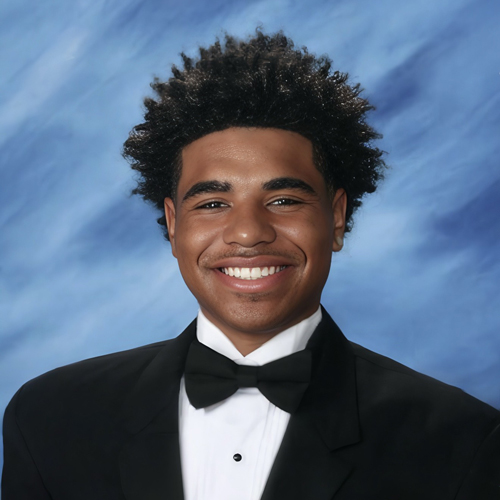
About Khyree Lucas
Khyree Lucas is a senior at Dreher High School in Columbia, where his English teacher is Andrew Clark. The son of Aisha Abrom and Rogelio Conyers, Khyree participates in mentorship programs, including 100 Black Men. With his strong interest in technology and problem-solving, he plans to study computer science and become a software engineer.