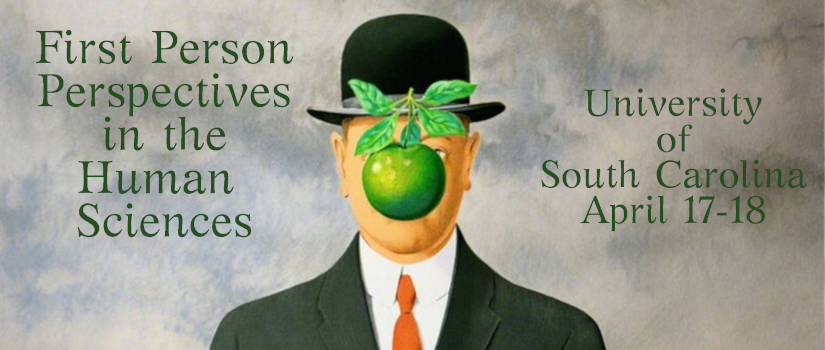
Science is, famously and allegedly, 'objective', 'third-personal', dependent on 'intersubjectively available evidence', and so on. But some sciences purport to study phenomena that are, purportedly, first-personal (perceptions, imaginations, hallucinations, emotions, and so on). How, or to what extent, can these sciences grab hold of their subject-matter? What is 'first-personal experience' anyway? Or maybe characterizing their proper subject-matter as 'first-personal experience' is a mistake in the first place? Participants in this workshop will explore these and related questions and issues. The workshop is read-ahead, meaning that authors will give only a very brief summary of their papers, followed by a brief commentary, and then an extended (hour or so) discussion by all participants.
Information for Participants
- map and directions to the hotel, conference venue, and Friday dinner and party
- schedule
Papers
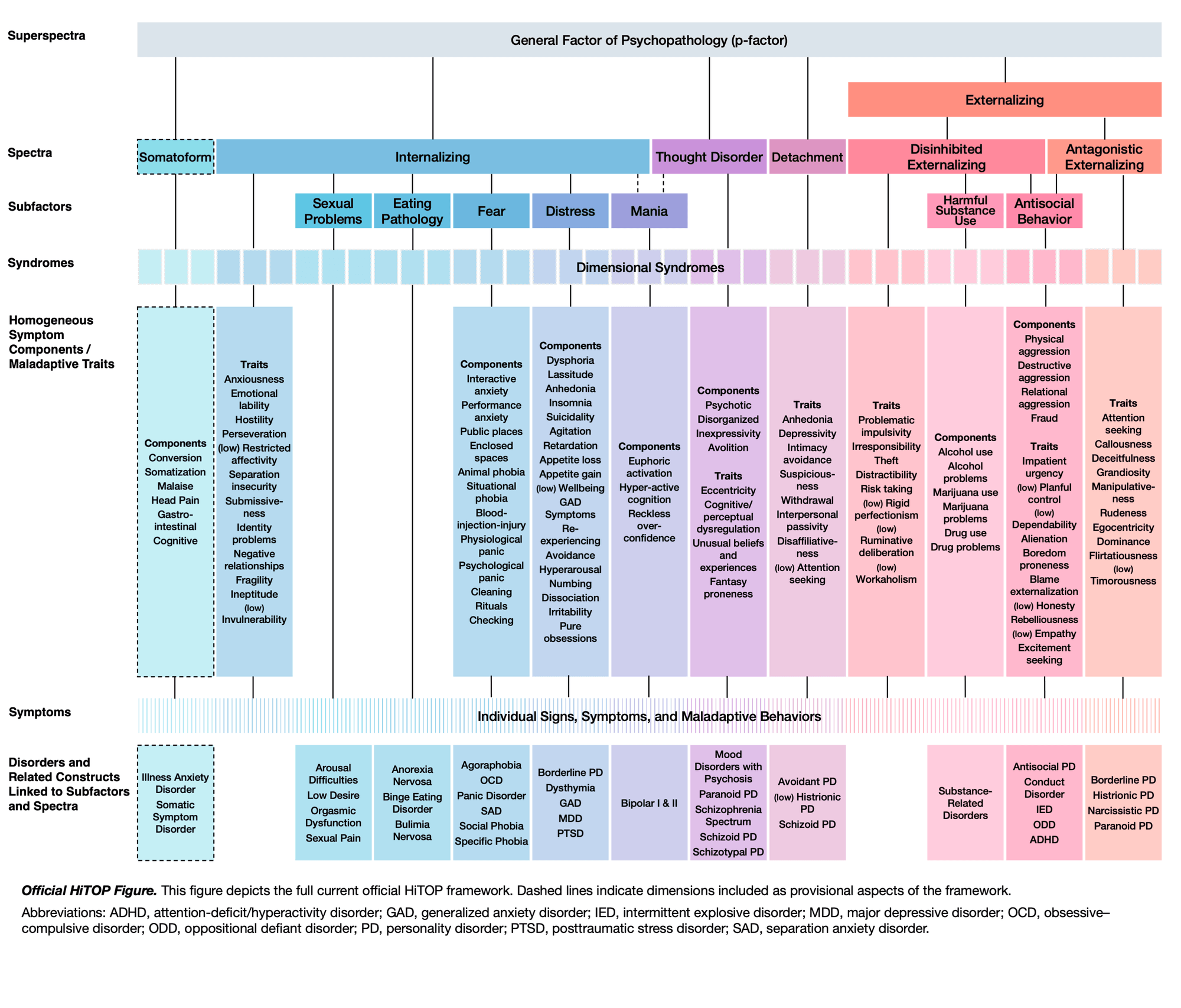
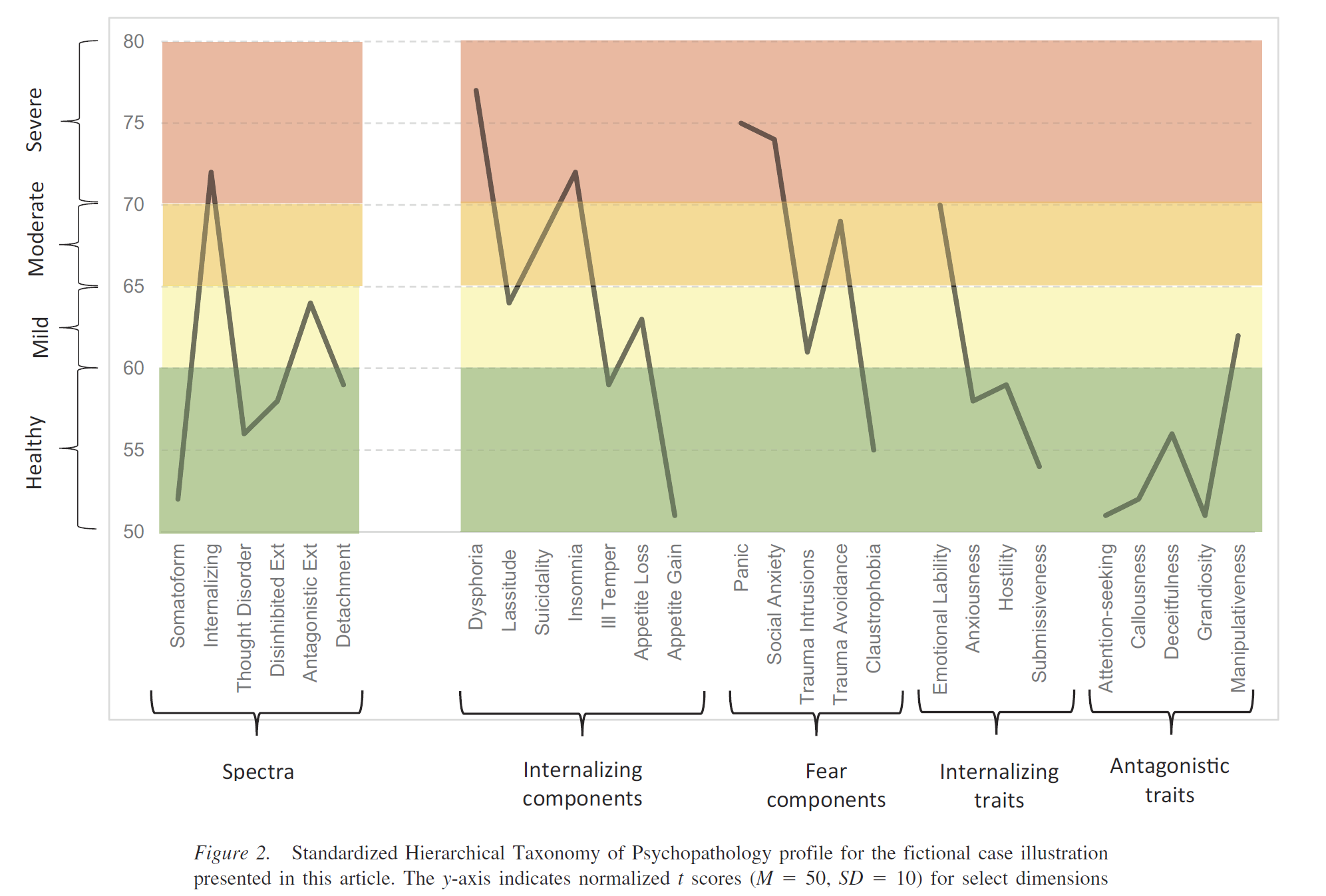
Awais Aftab: “An Analysis of Objectivity in the Hierarchical Taxonomy of Psychopathology” [paper] Prof. Aftab includes two figures as separate files to preserve the detail. [figure 1] [figure 2]
Riana Betzler: “Skilled Empathy and the Possibility of Understanding Others’ Experiences” [paper]
Robyn Bluhm: “The goals of a science of first-person experience” [paper]
John D. Dunne: “Studying Distorted Consciousness: Dharmakīrtian Perspectives on the First-Person” [paper] Prof. Dunne also has made available a preprint from Lutz et al. ("An Overview of Neurophenomenological Approaches to Meditation and their Relevance to Clinical and Consciousness Research") that one might find interesting and relevant to the discussion [supplementary paper] Also, Christian Coseru has provided a more detailed version of his cmments for those who are interested. [extended comments]
Shaun Gallagher: “Nothing to it: The perceptual zero-point” [paper]
Russell Hurlburt: One session of the workshop will be a demonstration and discussion of 'Descriptive Experience Sampling,' a protocol for exploring first-personal experience invented and practiced by Russell Hurlburt. Further pre-workshop information and material related to this session will be forthcoming. In the meantime, Prof. Hurlburt's paper contribution is available. [paper]